seasonal grooming routines for optimum pet coat care
Keeping your pet's coat in excellent condition throughout the year requires attention to their specific grooming needs based on the changing seasons. Just like humans adapt their skincare routines to the weather, pets benefit from tailored grooming practices that address the challenges posed by different seasons. In this guide, we explore effective grooming routines for each season to ensure your furry friend’s coat remains healthy, clean, and well-maintained.
Spring: Shedding Season
As the temperatures begin to rise and winter fades away, many pets undergo a significant shedding phase. This is particularly prominent in double-coated breeds, which often lose their thick undercoat. To manage shedding effectively, it is essential to establish a regular brushing routine at least two to three times a week. Use a slicker brush or an undercoat rake to remove loose hair and prevent matting. Additionally, consider bath time with a gentle shampoo that promotes healthy skin. This will help to remove dead hair more effectively and keep your pet's coat looking fresh.
People Also Look For:
- FuzzyFix Dog Clippers for Grooming for Thick Heavy Coats, Professional Pet Grooming Clippers Supplies Kit Low Noise Rechargeable S...
- WOLMIK Dog & Cat Comb - Pet Grooming Combs, Double Row Stainless Steel Dogs Comb, Dog Cat Grooming Combs for Small Medium and Larg...
- 4 Pack Flea Lice Comb, Stainless Steel Dog Cat Grooming Comb with Rounded Teeth, Double Sided Professional Pet Grooming Combs, Com...
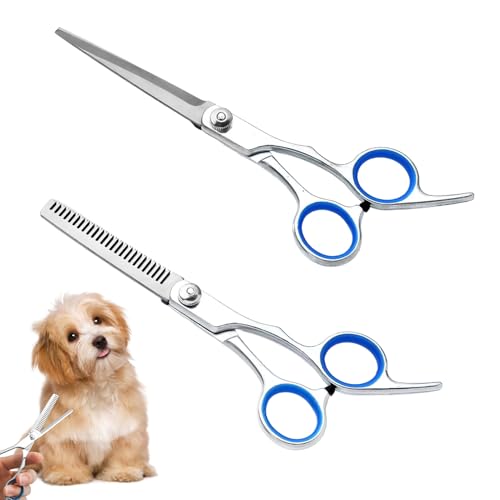
- Dog Grooming Scissors, ZYNWEAI 6.5" Curved Dog Grooming Shears with Safety Round Tips, Light Weight Stainless Steel Pet Grooming S...
- Japan Premium Pet Dog Shampoo Towels | No Rinse Dog Shampoo Wipes that work like Dog Dry Shampoo | Plant Based Cleansing & Deodori...
Summer: Keeping Cool
During the summer months, the focus shifts to keeping your pet cool and comfortable. Regular grooming becomes crucial as this helps to remove dead hair and allows air to circulate through the coat, preventing overheating. Aim for weekly brushing, and if your dog or cat has long hair, consider using a de-shedding tool. It's also important to keep an eye out for parasites such as fleas and ticks, which are more prevalent in warmer weather. A monthly application of a veterinarian-approved flea prevention product will help protect your pet. Remember to provide plenty of fresh water and consider shorter grooming sessions to avoid overheating.
Autumn: Coat Transition
As autumn approaches, pets start to prepare for the colder months ahead. This transitional period often involves another round of shedding as they lose their lighter summer coat in favour of a thicker winter one. During this time, continue your regular brushing schedule, but be mindful of increased matting, especially in long-haired breeds. Introducing a conditioning spray can help to keep the coat manageable and reduce tangles. Additionally, consider scheduling a professional grooming session to give your pet a thorough clean and trim, which can help in managing the transition.
winter: Keeping Warm
In the colder months, the focus should be on maintaining warmth while ensuring the coat remains healthy. While some pets may benefit from a full grooming session, be cautious about cutting their hair too short, as this can hinder their natural ability to maintain warmth. Regular brushing is key to preventing matting and ensuring the coat remains clean. Aim for at least once a week. For pets that spend time outdoors, consider using a pet-safe moisturiser on their paws to protect from the cold and salt used on roads. Additionally, inspecting for any signs of dry skin or irritation is vital, as indoor heating can cause dryness.
Year-Round Essentials
Regardless of the season, there are grooming practices that should be maintained year-round. Regular dental care is crucial, so incorporating tooth brushing into your routine at least two to three times a week will help prevent dental disease. Nail trimming should also be performed regularly, as overgrown nails can lead to discomfort. Bathing should be done according to your pet's activity level and coat type, but generally, every 4 to 6 weeks is recommended unless otherwise advised by a vet. Lastly, always observe your pet for any changes in their coat or skin, as this can be indicative of underlying health issues.